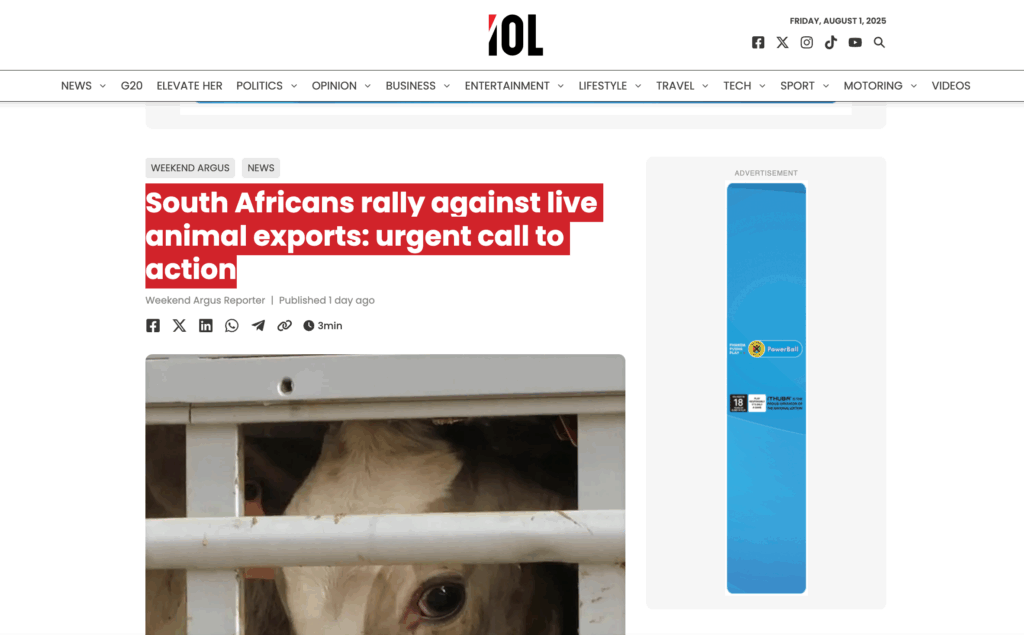
Six in 10 Muslim consumers believe animals must be transported with care for their meat to be considered halaal, according to new research that raises serious questions about the international live animal export trade.
The study, published by animal advocacy research organisation Animetrics in July 2026, surveyed 6,294 Muslim consumers across 15 countries to explore their views on halaal food, animal welfare and farming practices.
It found that many Muslim consumers believe halaal requirements extend beyond the method of slaughter to include how animals are treated throughout their lives, particularly during transport.
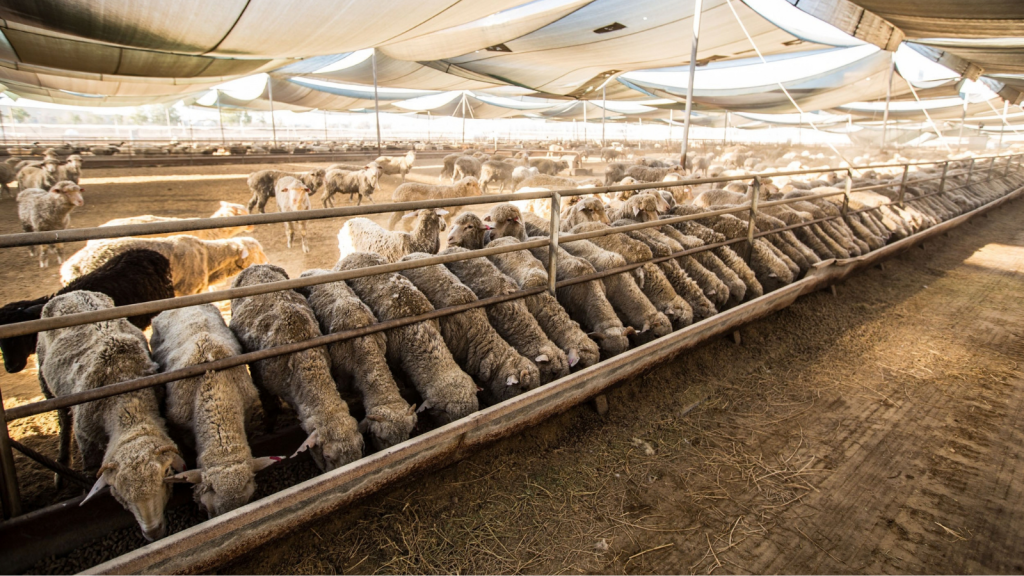
The findings highlight a potential conflict with the international live export trade, which sees millions of animals transported by sea each year, many to Muslim-majority countries in the Middle East and North Africa.
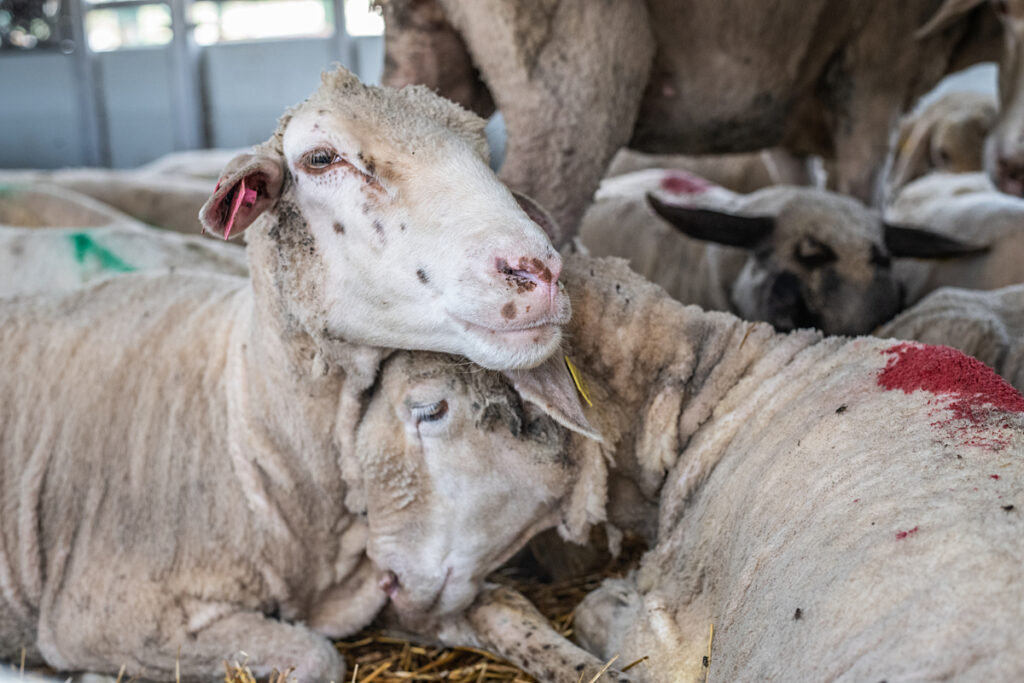
South Africa is among the countries exporting live animals to these markets, despite longstanding concerns about the welfare of animals subjected to lengthy sea voyages, including overcrowding, heat stress and exhaustion.
What the research found
The Animetrics report, How Do Muslim Consumers View Halal and Animal Welfare and Respond to Different Messages?, reveals significant concern about animal treatment and transport among Muslim consumers.
Among its key findings:
- 62% considered careful handling and transport essential for meat to be halaal. This included preventing overcrowding, providing food and water, and allowing animals to rest during long journeys.
- Long-distance transport without regular care was the most widely rejected of six farming practices examined. Around 60% of participants considered it unacceptable from both religious and non-religious perspectives.
- Almost 63% agreed that meat cannot be truly halaal if animals suffered unnecessarily during their lifetime. Around six in ten also considered how animals were raised and protected from distress before slaughter essential to halaal status.
- Nearly three-quarters associated halaal certification with better animal welfare, yet 62% believed current certification focuses too heavily on slaughter procedures and not enough on how animals are raised and transported.
- Concern about humane transport extended to major live animal importing regions. More than six in 10 participants in North Africa and Southwest Asia and the Gulf considered careful handling and transport essential for halaal meat. Respondents with stronger religious engagement were also more likely to regard careful transport as essential.
Disconnect between consumer expectations and live exports
The findings are particularly relevant to the live export industry, where animals may spend weeks aboard ships travelling to overseas markets, often in conditions that compromise their welfare.
For Stop Live Export South Africa, which campaigns to end the country’s live animal exports by sea, the research exposes a troubling gap between consumer expectations and the realities of the trade.
“There is a huge disconnect between what Muslim consumers expect from Halaal certification authorities, and what is happening in practice within the live export supply chain,” said Michelle Taberer, the founder of Stop Live Export SA.
The Animetrics researchers also identify the importance of engaging with halaal certification bodies, religious scholars and policymakers to strengthen animal welfare protections throughout the supply chain.
While the study does not establish that meat from live-exported animals is automatically non-halaal, it demonstrates that many Muslim consumers expect humane treatment long before an animal reaches the slaughterhouse.
For Stop Live Export SA, the findings add an important consumer perspective to its campaign against live exports by sea: animal welfare cannot begin and end at slaughter.
- Read the full Animetrics report: How Do Muslim Consumers View Halal and Animal Welfare and Respond to Different Messages? (July 2026)
- Photo: Al Mawashi, LinkedIn