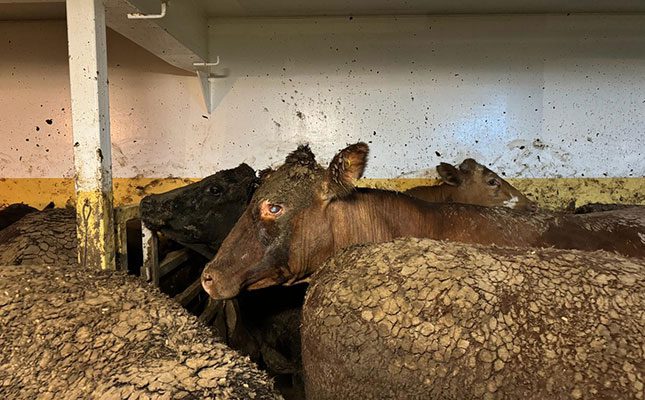
A powerful global network of 36 animal welfare and protection organisations – including Stop Live Exports South Africa – has issued an urgent call to the International Maritime Organization (IMO), demanding the introduction of binding international regulations for livestock carriers. The call comes amid growing alarm over the ageing live export fleet and a mounting death toll of both animals and seafarers.
In a formal letter to the IMO Secretary-General, the coalition warned that the global live export fleet is now the oldest shipping sector in the world, with vessels averaging 40 years of age, far beyond the generally accepted safe working lifespan of 25 years. Many of these ships were never designed to carry animals and have been retrofitted from older vessels, compounding safety risks.
- Read the letter to the Secretary-General International Maritime Organization London, Arsenio Dominguez
The renewed urgency follows the recent disaster involving the livestock carrier MV Spiridon II, a stark reminder that without international intervention, further catastrophic losses are inevitable.
Since 2000, at least seven major livestock carriers have been lost at sea, killing dozens of crew members and tens of thousands of animals. Tragedies such as Gulf Livestock 1, Haidar, Queen Hind, Al Badri and Danny F II have exposed deep and systemic failures in how this industry is regulated.
These are not isolated incidents. Research repeatedly shows that many livestock vessels operate under flags of convenience with weak oversight and poor compliance with international pollution and safety laws. Untreated animal effluent and carcasses are frequently discharged directly into the ocean, even in protected Special Areas such as the Mediterranean, Red Sea and Persian Gulf.
Shockingly, despite representing only a small portion of the global shipping fleet, livestock vessels have been the most detained ship type worldwide since 2017, reflecting widespread non-compliance and unacceptable safety standards.
Research also shows that, for the animals, the suffering is relentless. Long-distance sea voyages routinely expose them to extreme heat stress, overcrowding, disease, injury and weeks of confinement in waste-soaked pens. For seafarers, conditions are often equally hazardous, with growing reports of unsafe working environments, exposure to zoonotic diseases and even collapsing animal decks.
As a result of these ongoing risks, several countries, including New Zealand, India, the United Kingdom and Australia, have already introduced bans or phase-outs of live exports by sea. Yet globally, around 110 livestock carriers continue operating, many of them close to scrapping age.
Decisive action needed
The global network is now calling on the IMO to take decisive action by developing a binding International Code for the Carriage of Livestock. This would include enforceable standards for ship design and stability, ventilation and life-support systems, waste and carcass management, crew safety and animal welfare. The groups are also urgently requesting mandatory contingency plans to prevent animals being trapped on ships when unloading is refused, stronger port inspection regimes, and full investigations into widespread breaches of MARPOL pollution laws.
As the coalition warns, no other shipping sector would be permitted to operate with vessels this old, this unsafe and this poorly regulated, especially while carrying living, feeling animals.
The failure to act is costing human lives, devastating marine ecosystems, and condemning millions of animals to suffering and death at sea every year. This global intervention is not just overdue, it is essential.
How you can help
- Share this story: Use hashtags #StopLiveExport #AnimalWelfare #BanCruelty on social media
- Sign our petition to stop live export of animals by sea
- Support SLESA: Donate or volunteer to help us campaign for an end to this cruel trade