Published in the Cape Argus, 20 November 2025
A landmark judgment by the Eastern Cape High Court in Makhanda has significantly strengthened the NSPCA’s authority to prevent animal cruelty during live animal exports by sea. The ruling comes as civil society pressure intensifies, with Stop Live Exports South Africa (SLESA) separately presenting a detailed challenge to the practice before the Parliamentary Portfolio Committee on Agriculture.
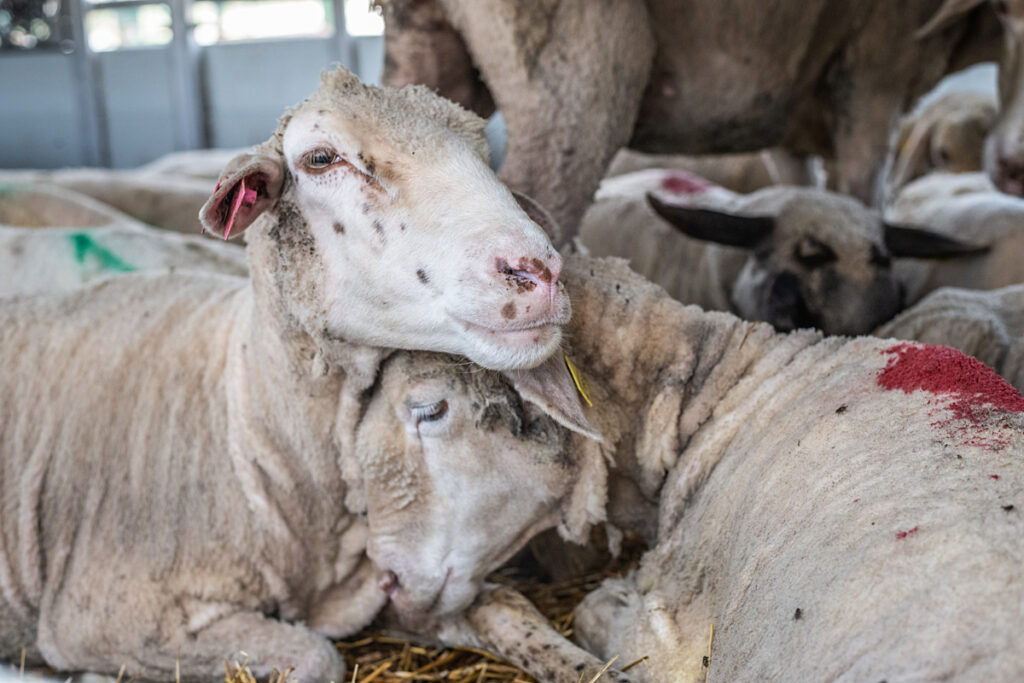
An article by Genevieve Serra published on 20 November 2025 in the Cape Argus and on IOL reports on a landmark Eastern Cape High Court ruling that restores the NSPCA’s full authority to monitor live-export vessels. The Court set aside a 2023 Magistrates’ Court order that had restricted inspectors and banned the taking of photos and videos during the loading of more than 53,000 animals onto the Al Messilah.
The High Court reaffirmed that the NSPCA has a constitutional and statutory duty to investigate and, where necessary, prosecute cruelty, and that this role cannot be replaced by government authorities.
The story also highlights SLESA’s separate presentation to the Parliamentary Portfolio Committee on Agriculture this week, where the organisation argued that live export cannot be regulated and called for an outright ban on the practice.
What you need to know
- The Eastern Cape High Court in Makhanda has overturned a 2023 Magistrates’ Court order that restricted the NSPCA’s ability to monitor and document animal cruelty during the loading of the Al Messilah, a vessel carrying more than 53,000 animals.
- The Court affirmed that the NSPCA has a constitutional and statutory mandate to investigate and prosecute animal cruelty, and that this mandate requires full access and the ability to gather photographic and video evidence.
- The judgment rejected claims that government authorities could replace the NSPCA, noting that they do not have the same legal duty to police or prosecute cruelty.
- Beauty Without Cruelty and other welfare organisations welcomed the ruling, emphasising that transparency and evidence-gathering on vessels are essential to preventing hidden abuse.
- In a separate parliamentary briefing, SLESA urged MPs to reject proposed regulations that would formalise live export, arguing that the practice is inherently cruel and calling for an outright ban.
Join the movement to stay informed
- Sign the Petition to ban live export by sea
- Facebook: Stop Live Export SA
- Instagram: @stoplxsa
- Website: stopliveexport.co.za
- Subscribe to the Stop Live Export SA newsletter